Social Security Officials Caution Americans Of Increasing Fraud Scams

on Apr 07, 2026
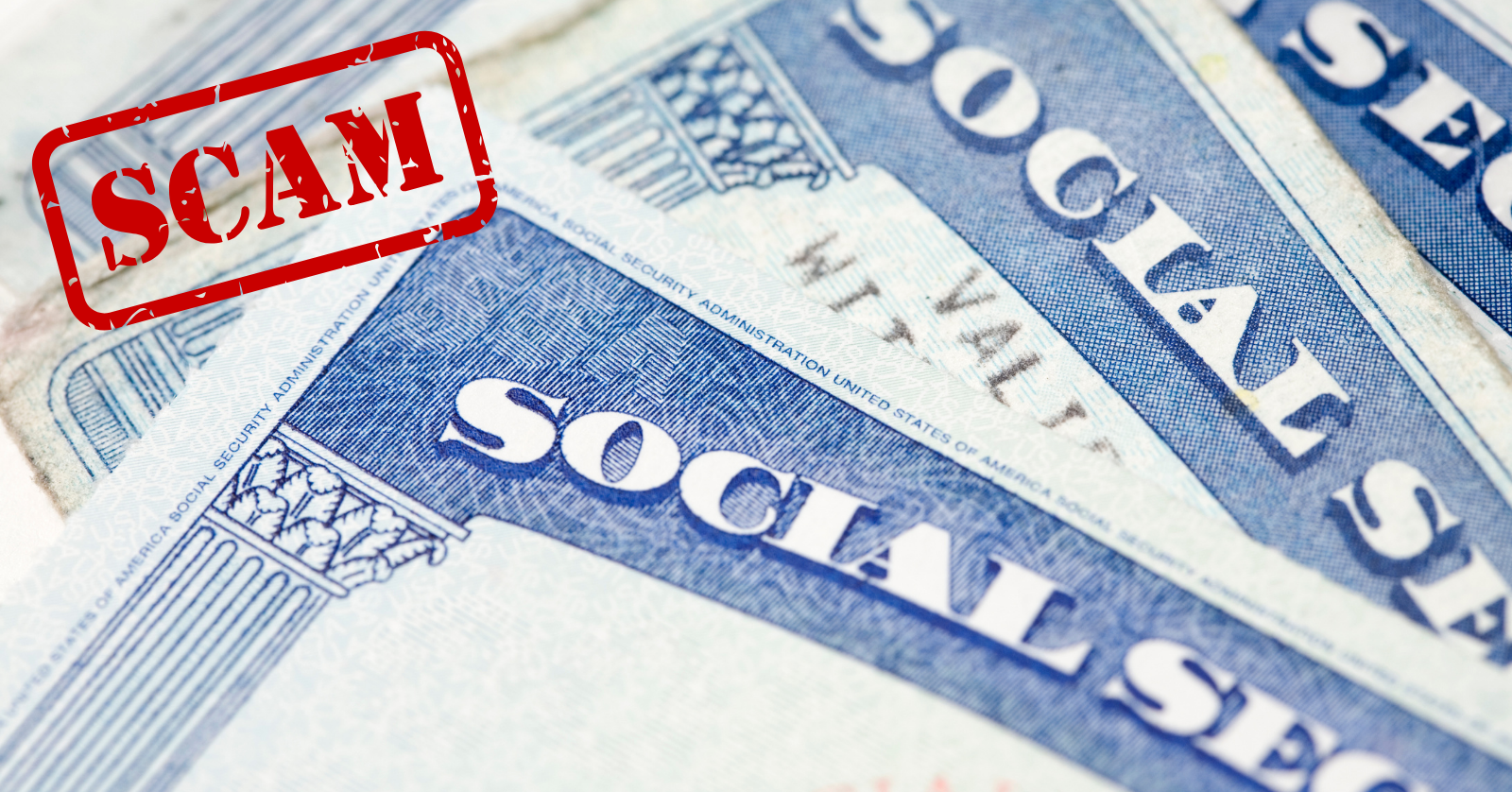
Social Security Scams Are On The Rise
Officials are warning Americans that scammers posing as the Social Security Administration are using increasingly personalized scams to steal sensitive information.
The schemes often involve emails, phone calls, or text messages that appear to come from official government sources. In many cases, scammers include personal details such as a victim’s name or partial Social Security number.
How Can You Detect A Possible Scam?
Officials say there are several warning signs to watch for when dealing with messages claiming to be from the Social Security Administration:
Unsolicited contact:
If you receive a call, text, or email about your Social Security account, be cautious. The SSA typically does not initiate contact this way unless you’ve already been in touch.
Requests for personal information:
Scammers may ask you to “verify” details like your full Social Security number, banking information, or login credentials. Legitimate agencies will not request sensitive information through unsolicited messages.
Urgent or threatening language:
Messages that claim your benefits will be suspended, your account is compromised, or legal action is imminent are red flags. Scammers use urgency to pressure quick decisions.
Suspicious links or attachments:
Emails or texts may include links that appear official but lead to fake websites. These sites are designed to steal your data or install malware.
Spoofed phone numbers or email addresses:
Caller ID or email addresses may look like they belong to a government office but appearances can be fake.
Unusual payment requests
Any demand for payment via gift cards, wire transfers, or cryptocurrency is a major warning sign. The SSA does not use these methods.
Experts say this added level of customization makes the scams harder to detect and more convincing, particularly for older adults and those receiving Social Security benefits.
As impersonation scams continue to rise nationwide, officials are urging the public to stay alert. Avoid engaging with suspicious messages and always be sure to verify any communication directly through official government channels.