46 Years Ago: Charley Pride Survives Mid-Air Plane Collision

on • Updated
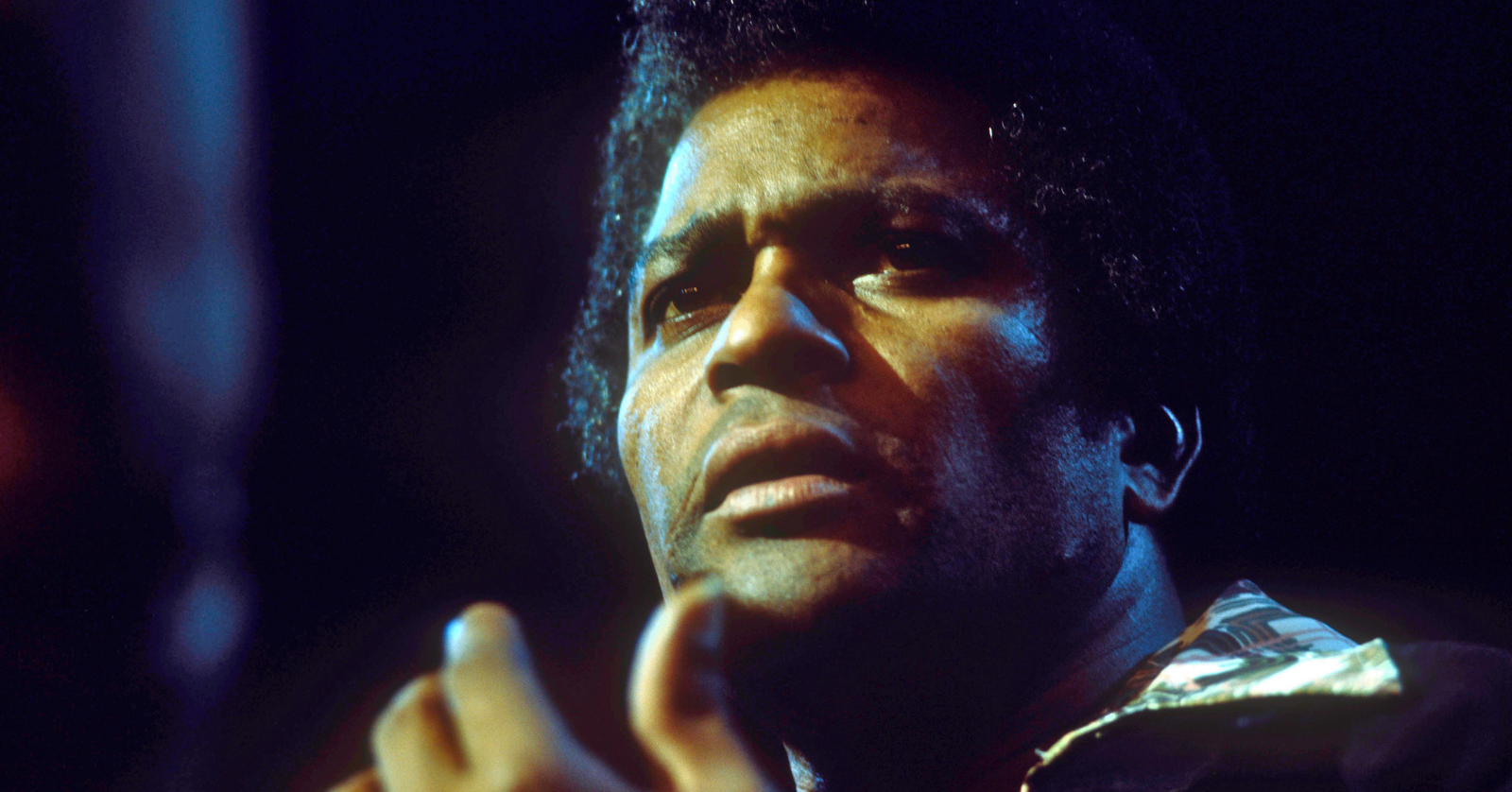
On August 6, 1980, the remarkable life and career of country music legend Charley Pride was almost cut short by a mid-air plane crash.
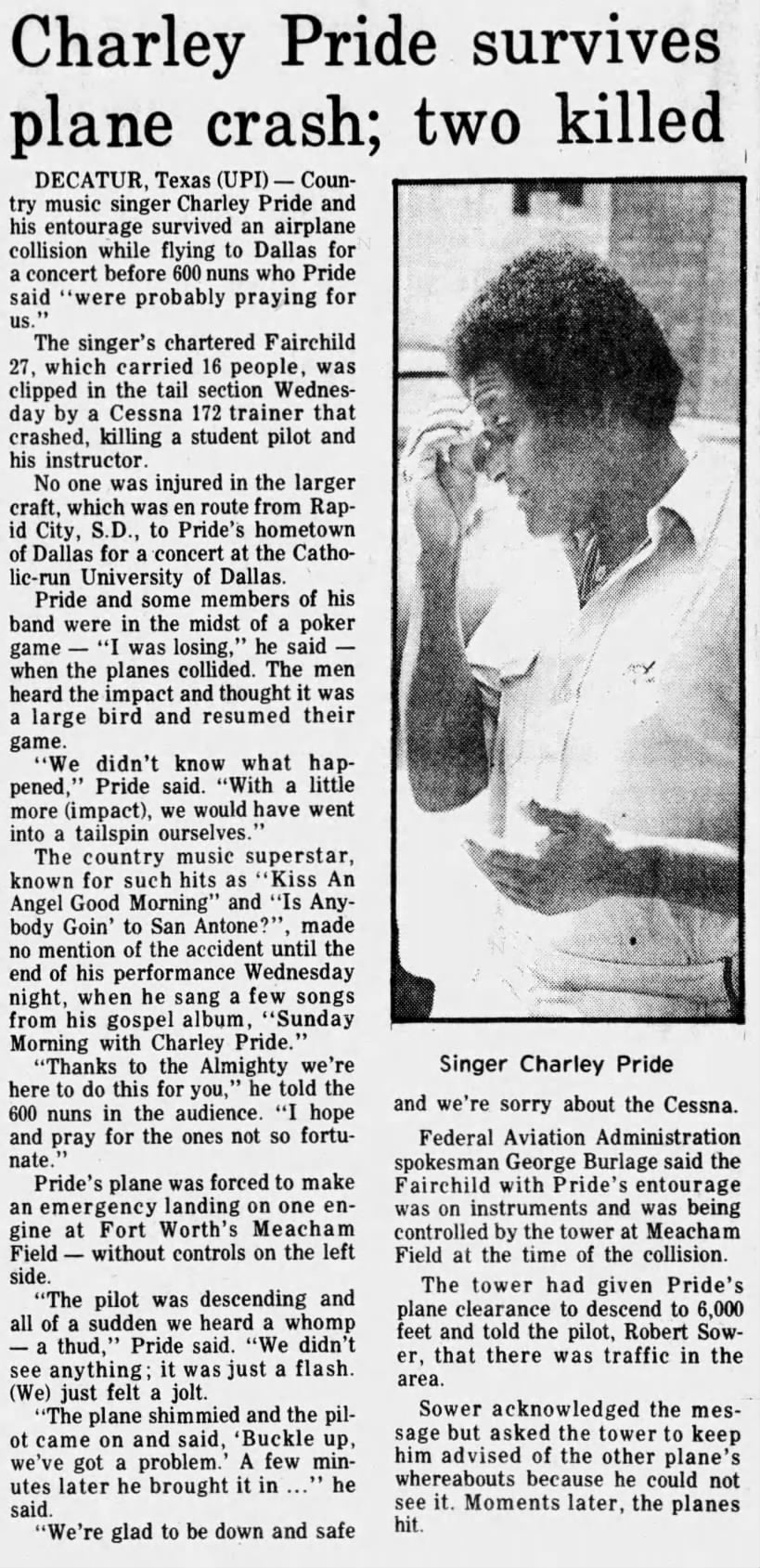
As Pride and his band flew en route from Rapid City, S.D., to Dallas on a chartered Fairchild 27, they were clipped in the tail section by a Cessna 172 trainer. The small aircraft plummeted to the ground, tragically killing the two passengers inside: a student pilot and the pilot instructor.
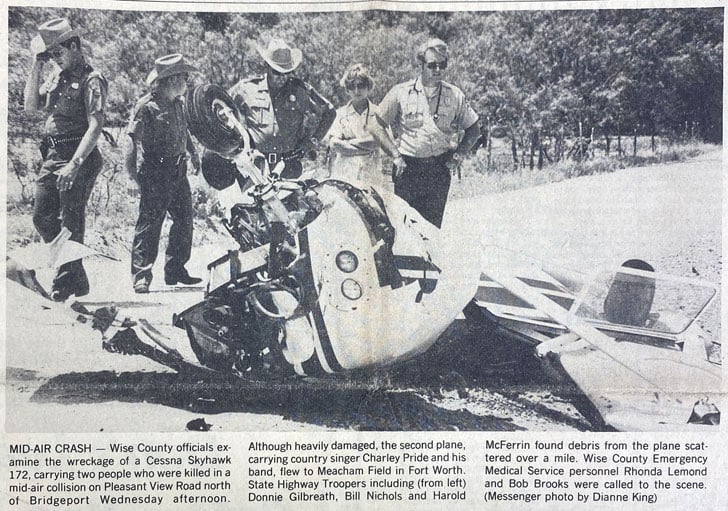
The musician and colleagues were on their way to play a concert at the Catholic-run University of Dallas, with an estimated audience of 600 nuns, whom Pride said “were probably praying for us.” He told The Press Democrat that they were playing poker aboard the plane when they heard the impact. He recalled:
“We didn’t know what happened. With a little more (impact), we would have went into a tailspin ourselves.”
Charley Pride was 46 at the time of the plane crash. He went on to live another 40 years. He became known as a trailblazer for Black country artists and, in his career, had 29 No. 1 singles, 52 Top 10 country hits, and tens of millions of records sold worldwide. He was welcomed as a member of the Grand Ole Opry in 1993 and inducted into the Country Music Hall of Fame in 2000.
The Events Surrounding Charley Pride’s Plane Crash
Pride described the moments that followed the collision:
“The pilot was descending and all of a sudden we heard a whomp — a thud. We didn’t see anything; it was just a flash. (We) just felt a jolt. The plane shimmied and the pilot came on and said, ‘Buckle up, we’ve got a problem.’ A few minutes later he brought it in…”
The plane carrying the musician, band, and crew members (16 people in total) miraculously arrived safely in Texas, and no one was injured. They made an emergency landing on one engine at Fort Worth’s Meacham Field — without controls on the left side.
Who was blamed for the plane crash?
To this day, it is still unclear exactly why the crash happened, but signs point to air traffic control issues. At the time, Federal Aviation Administration spokesman George Burlage said the aircraft carrying Pride and his colleagues was being controlled by the tower at Meacham Field.
They had given the pilot, Robert Sower, clearance to descend to 6,000 feet but informed him of traffic in the area. Sower acknowledged the message and requested that the tower keep him informed of the other plane’s location, as he could not see it. Moments later, the planes collided.
See the original newspaper article about Charley Pride’s plane crash below.