$1 Million Goes Missing From Dolly Parton’s Beloved Imagination Library

on
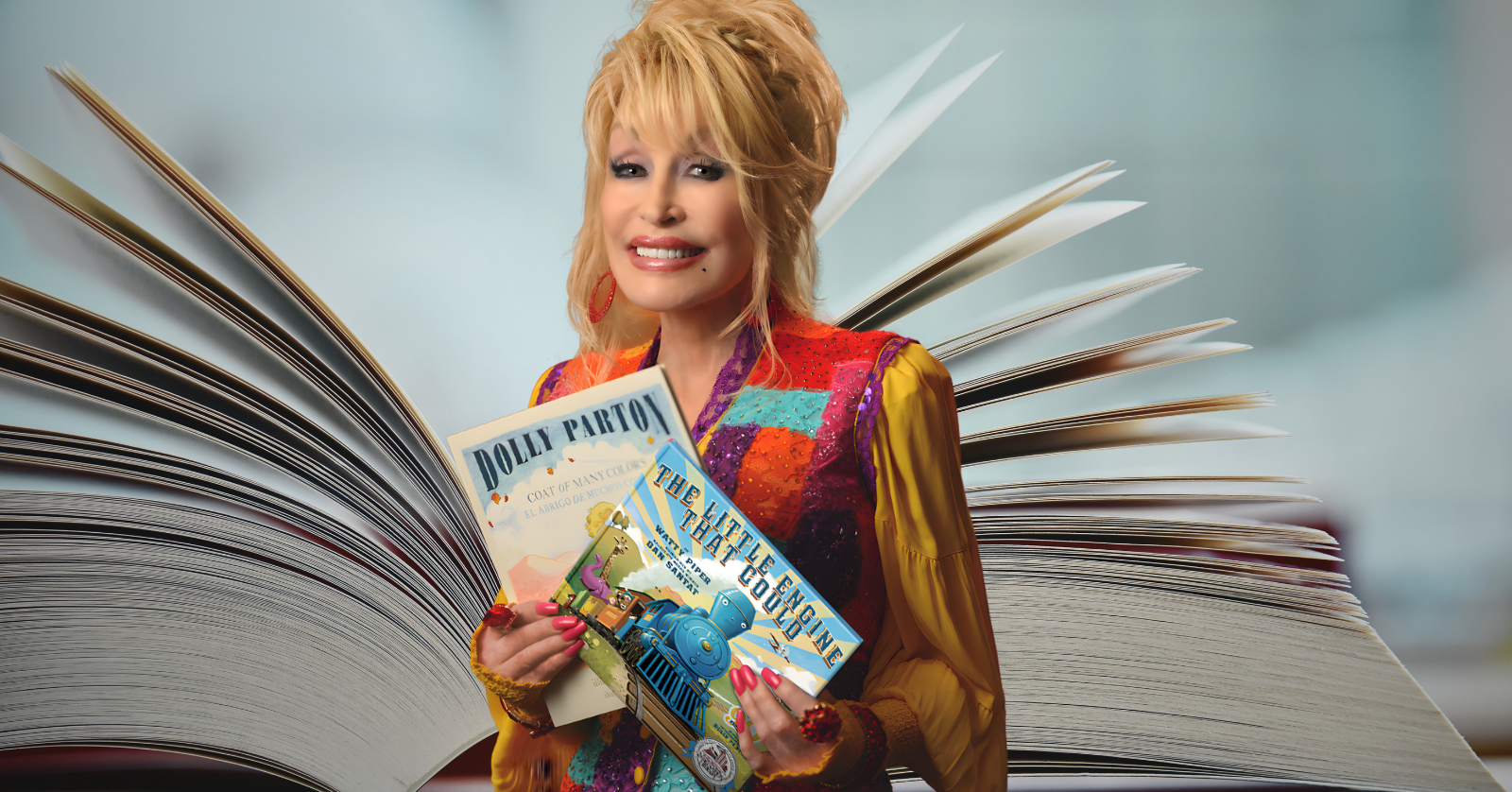
Dolly Parton’s Imagination Library has spent decades doing something simple — mailing free books to children every month from birth until they start school. It works. Literacy rates improve, kids arrive at kindergarten better prepared, and communities embrace it with near-universal goodwill. So when California reported that roughly $1 million tied to the program appears to be unaccounted for, the reaction wasn’t just frustration, it was the kind of anger reserved for when something genuinely good gets tangled up in bureaucratic failure.
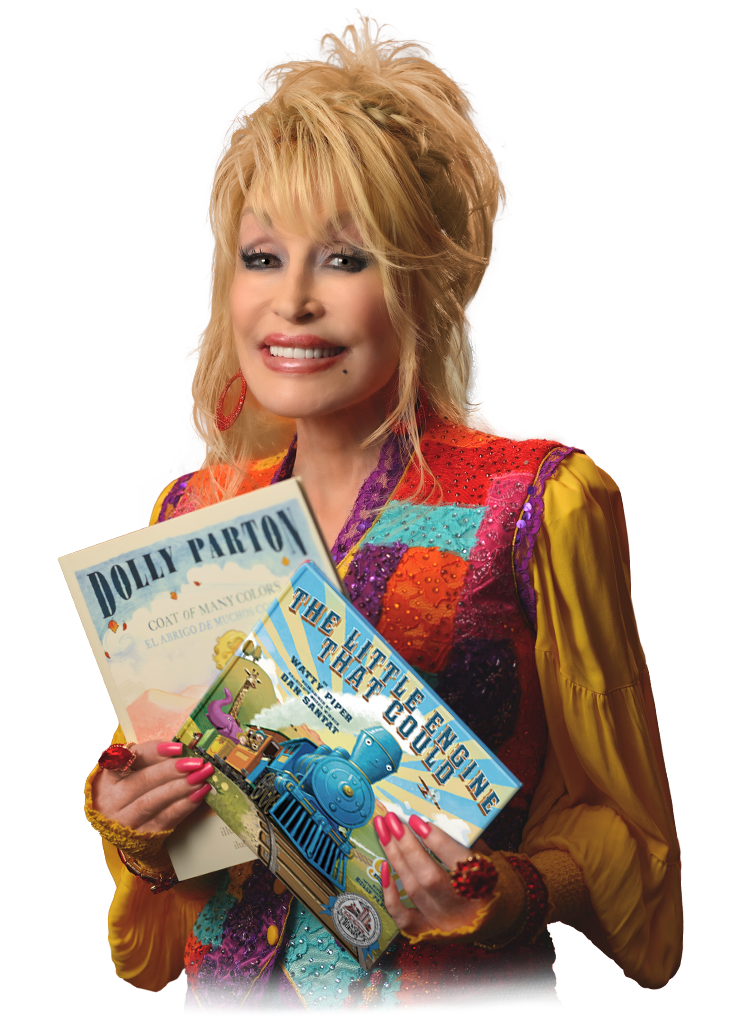
What Is the Imagination Library — and Why Does California’s Involvement Matter?
Launched in 1995 in Sevier County, Tennessee, Dolly Parton’s Imagination Library started as a local effort to address childhood illiteracy in the singer’s home region. The model proved so effective that it expanded nationally and then internationally, eventually partnering with state governments, local nonprofits, and private donors to fund book distributions. California, with one of the largest populations of young children in the country, represents a significant piece of that national footprint. State-level affiliates coordinate with Parton’s Dollywood Foundation to register children, manage mailing lists, and administer grant funding that flows from both public and private sources. When money moves through that many hands across that large of a geography, accountability matters — and right now, California’s accountability appears to have broken down somewhere.
💡 Key Fact: Dolly Parton’s Imagination Library has gifted more than 200 million books to children worldwide since its founding — making any funding disruption not just a financial story, but a direct threat to childhood literacy outcomes.
The $1 Million Question: Where Did the Money Go?
According to reporting by the New York Post, California officials are raising serious concerns over approximately $1 million in program funds that cannot be properly accounted for. The precise nature of the discrepancy — whether it involves misallocation, administrative error, or something more deliberate — has not been fully detailed in early reporting. What is clear is that state representatives are not treating this lightly. On April 7th, Senators Sasha Renée Peréz (D-Pasadena) and Shannon Grove (R-Fresno) interviewed and conducted heated questioning of California State Librarian Greg Lucas. More than $1 million dollars is vaguely known to have been allocated with multiple non-profits linked to the department and several un-clear records and invoices marked “general consulting“.
How Imagination Library Funding Typically Works
The Dollywood Foundation provides the infrastructure and brand, but local and state-level affiliate organizations are responsible for raising the funds needed to cover the cost of books and postage for children in their region. In many states, this involves a mix of government grants, corporate sponsorships, and individual donations. California’s size means its affiliate operations are more complex than most, with multiple regional chapters potentially managing separate funding streams. That layered structure creates more opportunities for money to move in ways that are difficult to trace — and more places for oversight to slip.
What’s at Stake for California’s Youngest Readers
The practical consequences of a funding gap this size are real and immediate. The Imagination Library sends age-appropriate books monthly to enrolled children from birth through age five — a period researchers consistently identify as the most critical window for language development and early literacy. Families in lower-income communities often rely on the program as their primary source of new books at home. A disruption in funding doesn’t just mean a gap in a mailing schedule. It means children who were on track to arrive at kindergarten having received dozens of books — and the reading experiences that come with them — suddenly don’t. California already faces significant literacy challenges across its school districts, and this is precisely the kind of early-intervention program that is far cheaper and more effective than remediation later.
What Comes Next — and Who Is Responsible
California officials will almost certainly push for a formal audit of how the missing funds were managed, and pressure will mount on whoever administered the relevant grants or accounts to provide documentation. The Dollywood Foundation typically holds affiliate organizations to accountability standards as a condition of partnership, meaning there could be consequences at the program level as well — potentially including suspension of the affiliate relationship if malfeasance is confirmed. For now, enrolled families in California should monitor communications from their regional Imagination Library affiliate for any updates on book shipment continuity. The broader question — how a program this well-regarded ended up with a seven-figure gap in one of its largest state programs — deserves a thorough, transparent answer. Whether California gets one, and how quickly, will say a great deal about how seriously the state takes the children depending on it.

Programs built on public trust — especially those that serve children — carry an obligation beyond their mission statements. The Imagination Library has earned its reputation book by book, family by family, over three decades. Whether this turns out to be an accounting error or something worse, California’s response will be worth watching closely. So will Dolly Parton’s foundation, which has never been shy about protecting what it built.