Millions Will Watch August’s Solar Eclipse — Will You?

on
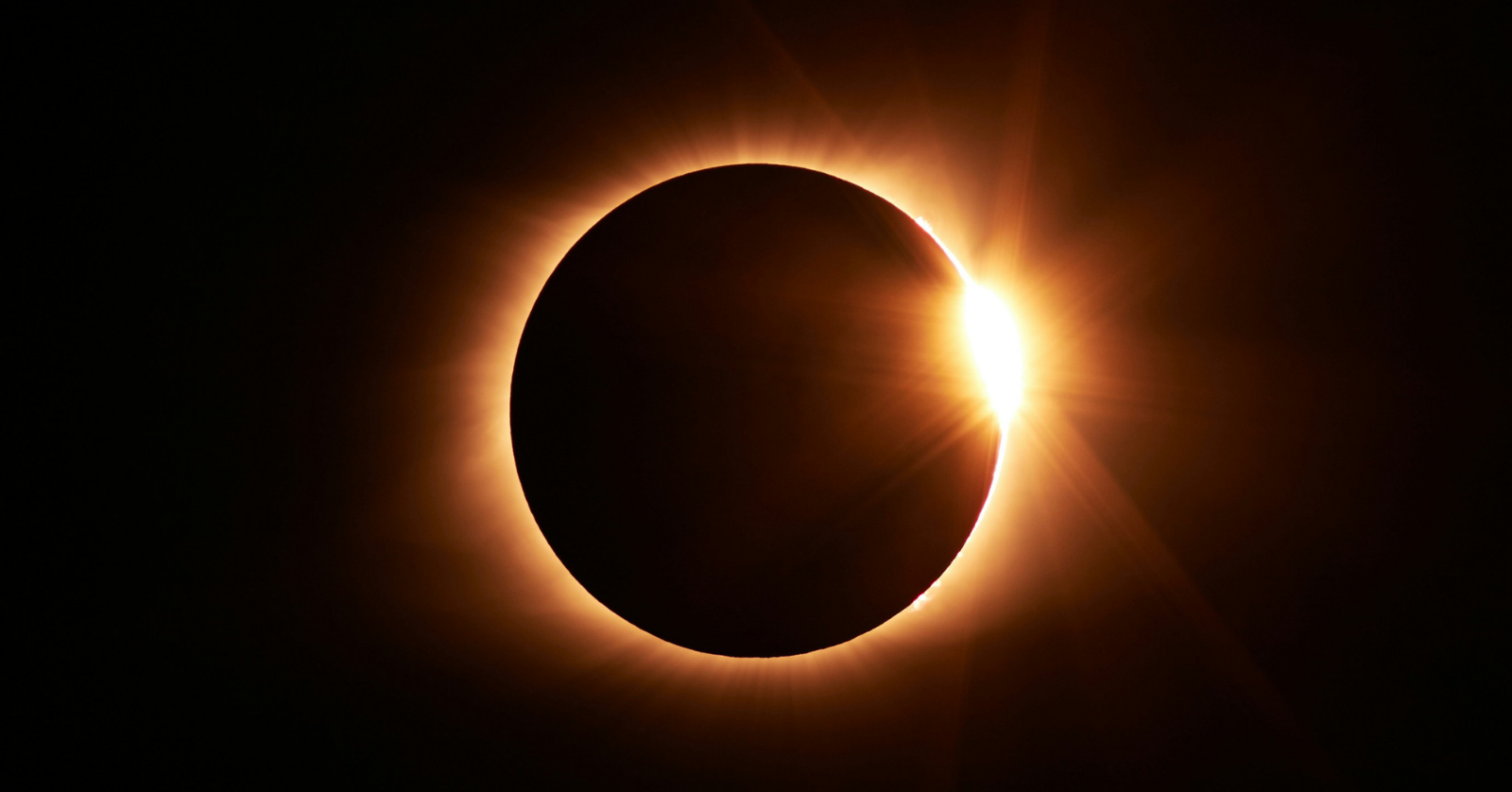
A total solar eclipse, one of the most spectacular natural phenomena, will occur in August. But not everyone will see it.
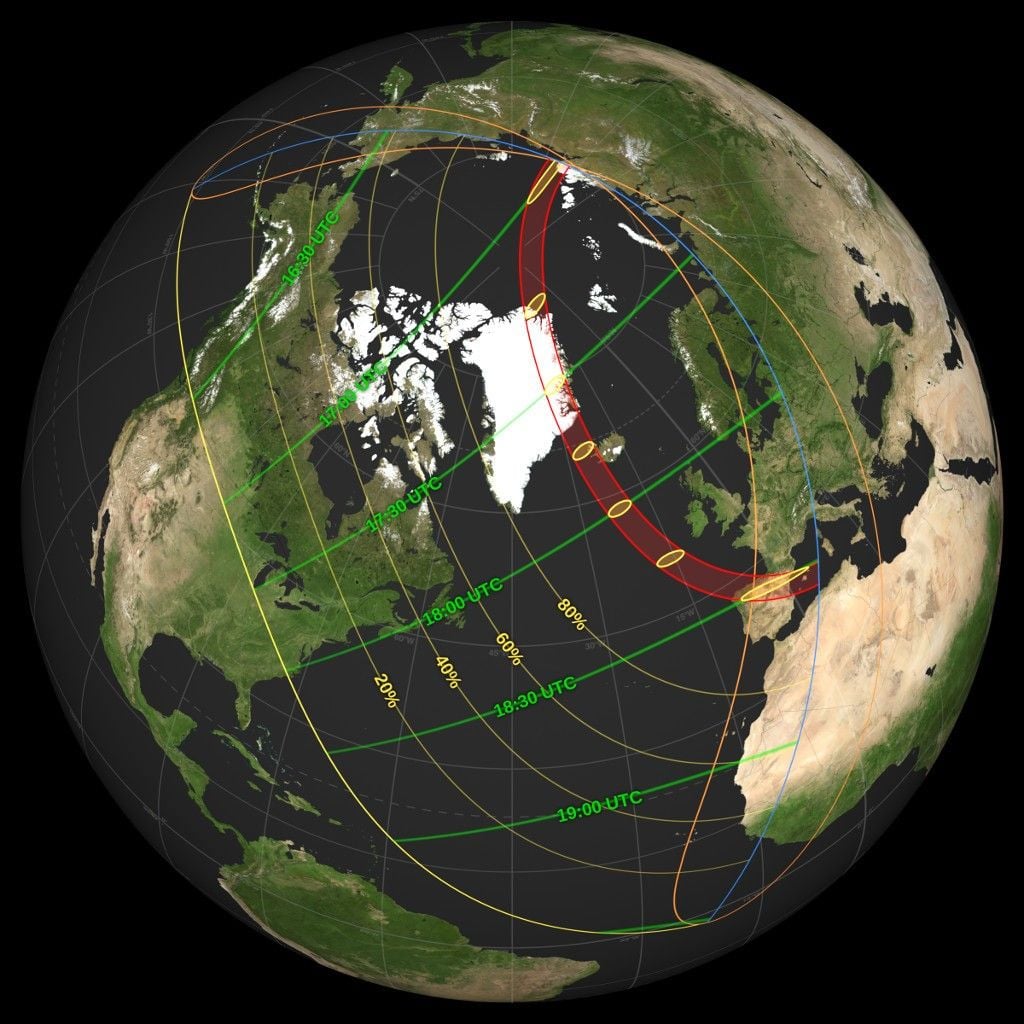
According to NASA, a total solar eclipse will soon cross a remote region of northern Russia, eastern Greenland, the west coast of Iceland, northern Spain, and a small part of Portugal.
On August 12th, individuals in this direct path will have the opportunity to view the eclipse in totality. This is expected to begin around midday in Russia, late afternoon in Greenland and Iceland, and late evening in Spain and Portugal.
A total solar eclipse occurs when the moon passes in front of the sun, temporarily blocking the sun’s full light from reaching the Earth. Those in the path of totality can expect the sun to be eclipsed for 2 to 2.5 minutes, depending on location.
How To Experience The Solar Eclipse In The United States
While most Americans will not be traveling internationally to view the eclipse in the path of totality, parts of the United States will experience a partial solar eclipse, when the moon covers a portion of the sun’s disk.
In Alaska, the eclipse will begin in the morning. For the northern contiguous U.S., the partial eclipse will occur between midday and midafternoon. See the approximate times and percentages for peak coverage in some major U.S. cities below. The full list can be seen here.
- Anchorage, AK | 8:22 AM AKDT | 27.9%
- Green Bay, WI | 12:23 PM CDT | 2.4%
- Detroit, MI | 1:36 PM EDT | 3.0%
- Buffalo, NY | 1:42 PM EDT | 7.5%
- Concord, NH | 1:52 PM EDT | 16.9%
- Portland, ME | 1:53 PM EDT | 19.4%
- New York, NY | 1:54 PM EDT | 9.5%
- Boston, MA | 1:55 PM EDT | 16.0%
- Norfolk, VA | 1:58 PM EDT | 2.0%
RELATED: MEET THE ASTRONAUTS CHOSEN FOR NASA’S ARTEMIS III MISSION
Tips For Safe Solar Eclipse Viewing
It is important to protect your eyes when viewing a total or partial solar eclipse. Looking directly at the sun at any time can result in eye damage.
Everyone observing the eclipse is reminded to use eye protection when the Moon is covering only part of the Sun’s disk. Observers can use solar viewing glasses a.k.a. “eclipse glasses”, handheld solar viewers, or other safe solar filters to protect their eyes from the sun’s blinding rays. Regular sunglasses, no matter how dark, will not suffice.
Eclipse watchers can also use an indirect viewing method to see the partial phases of the eclipse, such as making a pinhole projector which casts images of the Sun.
Learn additional ways to safely view the solar eclipse here.