The Surprising Hidden Effects Space Has On The Human Body

on • Updated
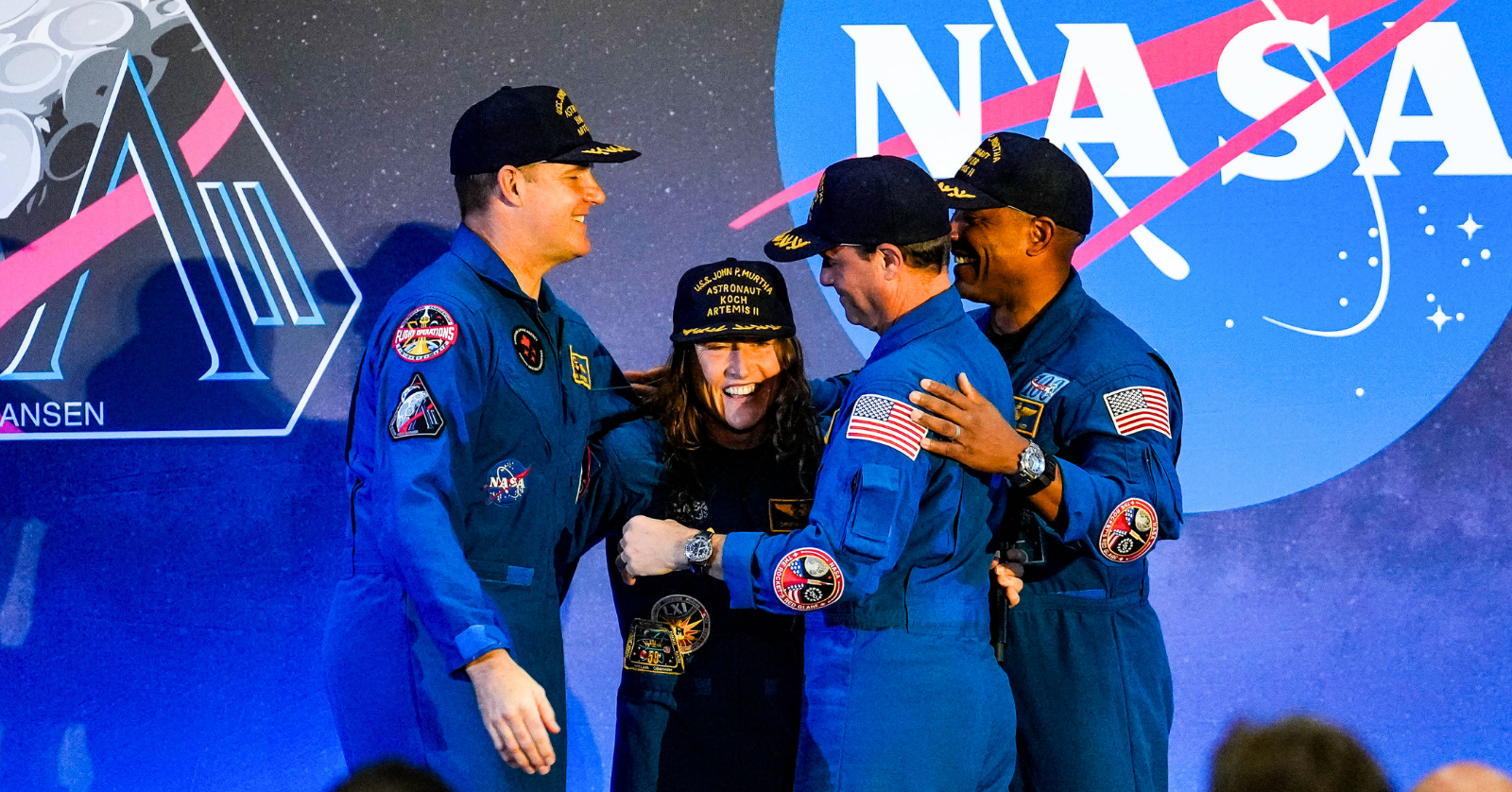
Have you ever wondered what happens to the human body in space? After four astronauts recently returned from a mission beyond Earth, their bodies have undergone a remarkable transformation. Below are some interesting phenomenons that happen to humans while in outer space.
Vision
The eyes undergo significant changes during space missions, particularly in microgravity. Astronauts may experience alterations such as flattening of the eyeball, swelling of the optic disc and shifts in vision, the institute states.
One of the most well-known conditions affecting vision in space is Spaceflight-Associated Neuro-ocular Syndrome(SANS), which involves swelling at the back of the eye and can lead to long-term visual impairment.
Cardiovascular & Digestion
In space, astronauts may experience reduced blood volume, along with an increased likelihood of heart rhythm disturbances. While the cardiovascular system continues to operate effectively, the heart is under less strain because it does not need to work as hard in the absence of gravity.
There is also concern that exposure to space radiation may damage endothelial cells lining blood vessels, potentially contributing to the development or progression of coronary heart disease.
The gastrointestinal system is also affected by the absence of gravity in space. On Earth, gravity helps move food through the digestive tract. In space, however, digestion can become less efficient and intestinal motility may slow.
As a result, astronauts may experience changes such as slower digestion, bloating, or constipation.
Bones & Muscles
According to the Translation Research Insititue for Space Health (TRISH), without the constant load of Earth’s gravity, bones in the lower body (particularly in the legs, hips and spine) no longer have to support as much weight.
This may cause minerals like calcium to leach out of the bones and circulate elsewhere in the body. The excess calcium can accumulate in the urine, increasing the risk of kidney stones and other related complications.
Astronauts also experience a decline in muscle mass, strength and endurance because their legs and back no longer need to work as hard to support the body.
As a result, muscles can weaken and begin to atrophy over time. To counter this, astronauts typically follow an intense daily exercise regimen designed to maintain muscle and overall physical health.
Impact On The Brain
On Earth, the brain relies on a complex network of neural systems to maintain balance, stabilize vision and understand orientation, TRISH reports. It processes signals from the eyes, inner ear and sensory receptors in muscles and joints to determine position and movement.
In space, the absence of gravity disrupts these signals. Inputs from muscles and internal organs no longer match what the brain expects, and the inner ear receives conflicting information compared to conditions on Earth. This mismatch can confuse the brain’s ability to accurately interpret motion and orientation.
As a result, astronauts commonly experience disorientation, space motion sickness and a worse sense of direction, especially in the early stages of a mission. These effects can make even simple tasks difficult.
When astronauts readjust to gravity upon returning home, they often experience difficulty standing, walking, focusing their vision and maintaining balance. Returning crew members are typically assisted and placed in a chair immediately after landing to help prevent falls and injuries.
Other Health Concerns
In space, astronauts do not walk or stand as they do on Earth, so the bottoms of their feet lose calluses, becoming softer and more sensitive. Instead, crew members aboard a spacecraft often develop calluses on the tops of their feet from hooking them into footholds to stay stable.
The Earth’s atmosphere shields humans from most harmful space radiation. In Low Earth Orbit, radiation becomes a major risk for those in space. Astronauts may experience radiation sickness, effects on the central nervous system, degenerative diseases, and an increased lifetime risk of cancer.
Humans on Earth are exposed to only small amounts of radiation each day. In contrast, astronauts in space can be exposed to nearly 100 times that amount.
We think it’s safe to say astronauts are incredibly remarkable and brave individuals. Congratulations to the entire Artemis II crew on their historic mission!